
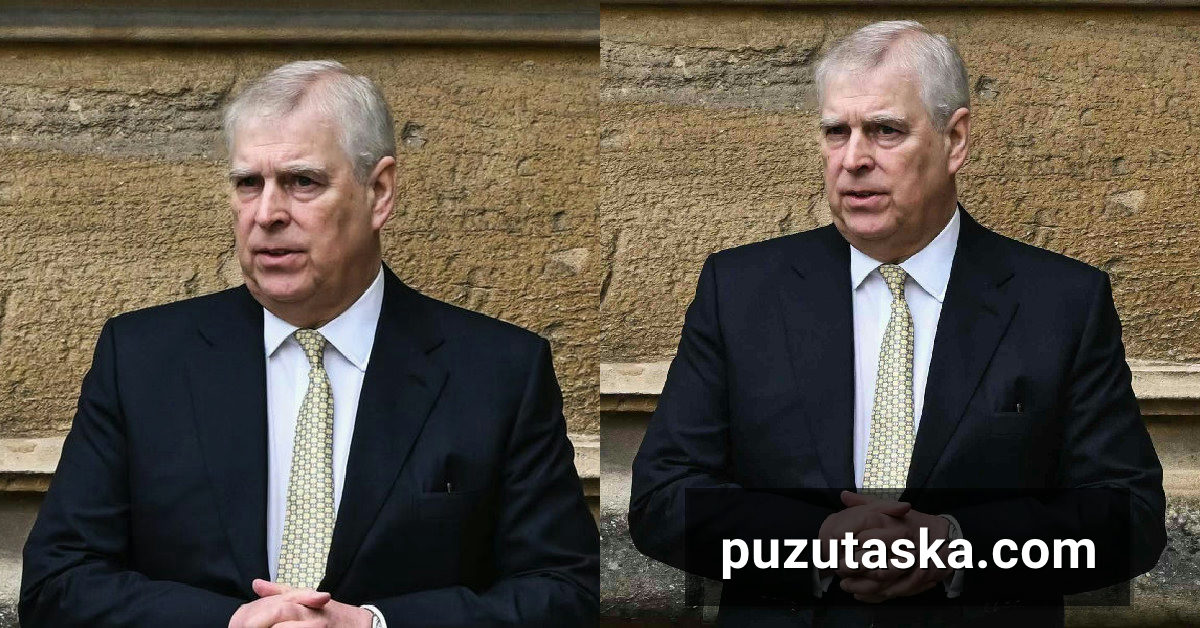
Prince Andrew, Duke of York, is the second son of Queen Elizabeth II and Prince Philip. Born in 1960, he served as a Royal Navy helicopter pilot during the Falklands War in 1982. His public life has since been overshadowed by his association with convicted sex offender Jeffrey Epstein and a civil lawsuit for sexual abuse.
How Prince Andrew Compares to Other Senior Royals in Public Scrutiny
Unlike his older brother King Charles III or his nephew Prince William, Andrew has faced uniquely intense personal legal exposure. Charles and William have dealt with media criticism, but neither has been sued in a U.S. civil court over sexual misconduct allegations. Andrew’s case is also distinct because he was stripped of military titles and royal patronages by his mother in 2022, a punishment no other senior royal has received. The contrast is sharp: while other royals maintain public duties, Andrew has been effectively retired from official life.
His daughters, Princess Beatrice and Princess Eugenie, have not faced similar scrutiny. They continue to carry out occasional royal engagements but largely live private lives. Andrew’s situation is thus an outlier in modern royal history, where a senior figure has been sidelined due to legal and reputational damage.
The Historical Roots of Prince Andrew’s Current Position
Andrew’s role as a working royal was shaped by tradition. As the Queen’s second son, he was not expected to be heir, so he pursued a military career. His service in the Falklands War earned him respect. However, his marriage to Sarah Ferguson in 1986 and their divorce in 1996 kept him in tabloids. The friendship with Jeffrey Epstein, which began in the late 1990s, planted the seeds of his downfall. Epstein’s conviction for sex trafficking in 2008 and his death in 2019 did not end the association; instead, it led to renewed allegations against Andrew.
The historical roots also lie in the royal family’s reluctance to intervene early. For years, Andrew remained a working royal despite growing evidence of his ties to Epstein. Only after a disastrous 2019 BBC interview, where he defended the friendship, did the palace act. The Queen’s decision to strip his titles in 2022 was a historic break from precedent, showing that even senior royals are not immune to consequences.
| Event | Year | Outcome |
|---|---|---|
| Falklands War service | 1982 | Earned public respect |
| Marriage to Sarah Ferguson | 1986 | Divorced 1996, remain close |
| Epstein friendship begins | Late 1990s | Led to scandal |
| Virginia Giuffre lawsuit | 2019 | Settled 2022, undisclosed sum |
| Stripped of titles | 2022 | Lost military roles and patronages |
Who Benefits and Who Loses from the Ongoing Controversy
The royal family as an institution loses credibility. Each new revelation about Andrew’s ties to Epstein damages the monarchy’s reputation, especially among younger generations. King Charles III has tried to distance the crown from Andrew, cutting his taxpayer-funded security and allowance in 2023. But the association lingers. The public loses trust in the royal family’s judgment. On the other hand, Andrew’s accusers, like Virginia Giuffre, gain a measure of justice through settlements, though the financial terms remain private. Legal experts note that the settlement did not include an admission of guilt, which leaves ambiguity.
Andrew himself loses the most: his public role, his income, and his home. He lives at Royal Lodge in Windsor but faces pressure to downsize to Frogmore Cottage. The media benefits from the story’s longevity, generating headlines for years. For the British taxpayer, the cost of Andrew’s security and legal fees is a loss, though the palace has reduced his state-funded support. We can see that no one emerges unscathed, but the monarchy’s ability to adapt is tested.
Expert Perspectives on the Fallout and Future
Royal historian Robert Lacey, in his book “Battle of Brothers,” argues that Andrew’s case exposed a lack of accountability within the palace. Lacey notes that the Queen’s decision to strip titles was a direct result of public pressure after the Giuffre lawsuit. Another expert, journalist Andrew Morton, who wrote about the royal family, points out that Andrew’s friendship with Epstein was an open secret for years. “The palace knew and did nothing,” Morton has said in interviews. These perspectives highlight a systemic failure. For a broader factual overview, Prince Andrew of Greece and Denmark lays out the key context
Legal analysts also weigh in. The settlement in 2022 was a pragmatic move to avoid a trial, but it left many questions unanswered. According to some sources, the palace’s legal strategy focused on damage control rather than vindication. The future for Andrew remains uncertain. He retains his title as Duke of York but has no official role. King Charles has made clear that Andrew will not return to public duties. The controversy will likely follow him for the rest of his life, and the royal family will continue to manage the reputational fallout.
Frequently Asked Questions
When did Prince Andrew serve in the Falklands War?
Prince Andrew served as a Royal Navy helicopter pilot during the Falklands War in 1982. He flew missions as part of the task force sent to retake the islands from Argentina. His service was widely praised at the time.
Is it confirmed that Prince Andrew had a relationship with Jeffrey Epstein?
However, Andrew denies any knowledge of Epstein’s crimes.
What is a good alternative to Prince Andrew’s role in the royal family?
There is no direct alternative, as Andrew’s role was unique. Other senior royals like Princess Anne or Prince Edward have taken on more duties, but they do not replace his specific patronages. The monarchy has redistributed his responsibilities among working royals.
Why did Prince Andrew settle the civil lawsuit with Virginia Giuffre?
Prince Andrew settled the lawsuit in February 2022 to avoid a public trial. The settlement was for an undisclosed sum and did not include an admission of guilt. Legal experts say it was a strategic decision to limit further reputational damage.
Who is Prince Andrew in relation to the British royal family?
Prince Andrew is the Duke of York and the second son of Queen Elizabeth II and Prince Philip. He is eighth in line to the throne. He has two daughters, Princess Beatrice and Princess Eugenie, and is the younger brother of King Charles III.
