
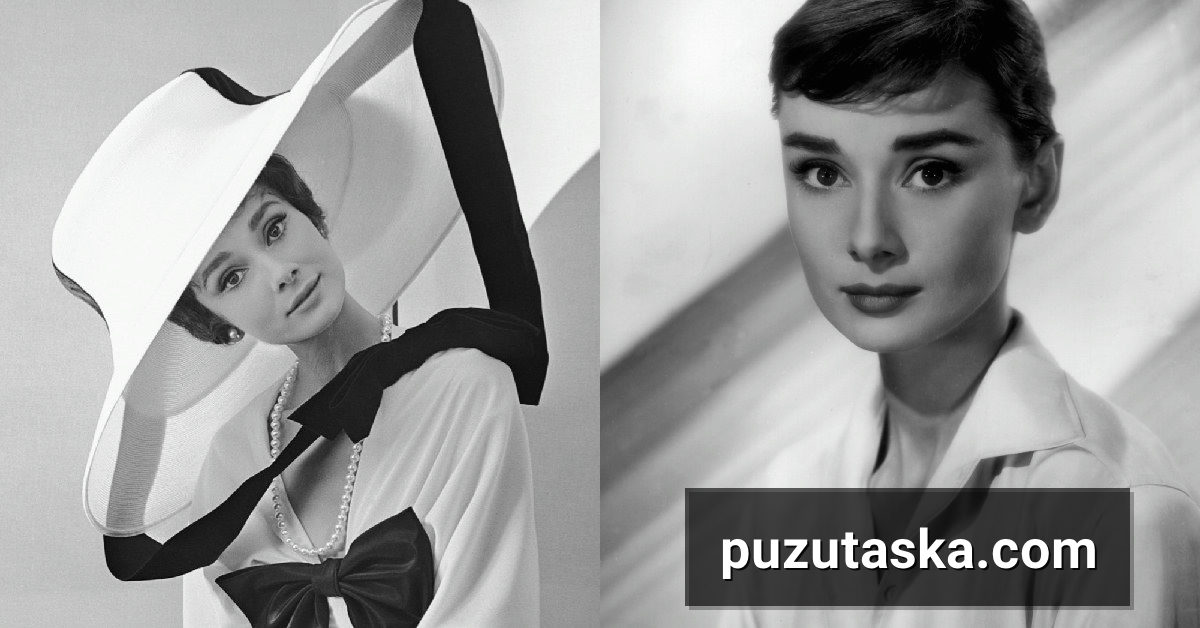
On May 4, 1929, a girl was born in Brussels who would become one of the most beloved figures in cinema. Audrey Hepburn rose from the hardships of World War II to win an Academy Award for her first major film, Roman Holiday (1953). Her career spanned decades, but her impact extended far beyond the screen through humanitarian work with UNICEF.
How Hepburn’s Early Life Shaped Her Later Work
Hepburn spent her childhood in Belgium, England, and the Netherlands. During World War II, she lived in Arnhem, where she witnessed the Nazi occupation. To support the resistance, she performed ballet dances in secret fundraisers. The malnutrition she suffered during the war affected her health for years. This experience later fueled her commitment to UNICEF, where she worked to aid children in crisis zones.
After the war, Hepburn studied ballet in London and began taking small film roles. Her breakthrough came when director William Wyler cast her as Princess Ann in Roman Holiday. The film required her to portray a royal escaping palace life, a role that showcased both her comedic timing and emotional depth. She won the Oscar for Best Actress, launching her into stardom.
| Film | Year | Role |
|---|---|---|
| Roman Holiday | 1953 | Princess Ann |
| Sabrina | 1954 | Sabrina Fairchild |
| Breakfast at Tiffany’s | 1961 | Holly Golightly |
| My Fair Lady | 1964 | Eliza Doolittle |
Key Milestones in Hepburn’s Career and Humanitarian Work
1954 marked a pivotal year. Hepburn starred in Sabrina, where she met designer Hubert de Givenchy. Their collaboration defined her elegant style, from the little black dress in Breakfast at Tiffany’s to the Ascot gown in My Fair Lady. Givenchy created many of her on-screen and off-screen wardrobes.
In 1961, Hepburn took on the role of Holly Golightly in Breakfast at Tiffany’s. The film became a cultural touchstone, though Hepburn later expressed mixed feelings about the character. She continued acting through the 1960s, then stepped back to raise her two sons. wikipedia.org/wiki/Audrey_Hepburn” rel=”noopener noreferrer” target=”_blank”>Audrey Hepburn
1988 brought a new chapter. Hepburn became a UNICEF Goodwill Ambassador, traveling to Ethiopia, Sudan, and other countries to advocate for children. She received the Presidential Medal of Freedom in 1992 for her humanitarian efforts. Her son Sean Hepburn Ferrer later wrote a biography, Audrey Hepburn: An Elegant Spirit, detailing her life.
Practical Lessons from Hepburn’s Approach to Style and Philanthropy
Hepburn’s style remains influential because it emphasized simplicity over trends. She favored clean lines, neutral colors, and tailored fits. For readers seeking a timeless wardrobe, focusing on quality basics—like a well-fitted trench coat or a simple shift dress—mirrors her philosophy. She also believed in using fashion to express personality, not to follow fads.
Her humanitarian work offers another lesson. Hepburn used her fame to draw attention to causes she cared about, but she also invested time in learning about the issues. She visited field projects and spoke with local communities. For anyone wanting to support a cause, her example suggests that direct engagement and personal commitment matter more than just writing a check.
Strengths and Weaknesses in Hepburn’s Film Legacy
Hepburn’s greatest strength was her ability to convey vulnerability and strength simultaneously. In Roman Holiday, she made a princess feel relatable. In Wait Until Dark (1967), she played a blind woman terrorized by criminals, earning an Oscar nomination for a physically demanding role. Her performances often relied on subtle expressions rather than grand gestures.
A weaker aspect of her legacy is the limited range of roles she was offered. Hollywood often cast her as a gamine or a society woman, and she rarely played characters outside that mold. Some critics argue that her accent and delicate frame typecast her. Still, within that niche, she delivered memorable work that continues to attract new audiences.
Frequently Asked Questions
How does Audrey Hepburn’s style differ from other Hollywood icons of her era?
Hepburn’s style was minimalist and understated compared to the glamorous, embellished looks of stars like Marilyn Monroe. She favored Givenchy’s clean silhouettes, ballet flats, and cropped pants, creating a look that felt modern and accessible rather than overtly sexy.
How many films did Audrey Hepburn star in during her career?
Hepburn appeared in approximately 27 films over four decades, from her debut in Dutch in Seven Lessons (1948) to her final role in Always (1989). She also acted in stage productions and television specials.
How much did Audrey Hepburn earn for her role in Breakfast at Tiffany’s?
The role remains one of her most iconic, though she initially hesitated to take it due to the character’s complexity.
Is it true that Audrey Hepburn was a spy during World War II?
This is a rumor that has circulated but lacks credible evidence. Her son has dismissed the claim as a myth.
Was Audrey Hepburn’s humanitarian work with UNICEF considered effective?
Yes, her work is widely praised. She traveled to over 20 countries, bringing media attention to crises in Ethiopia, Sudan, and Somalia. UNICEF credits her with raising awareness and funds, and her legacy continues through the Audrey Hepburn Children’s Fund.
