
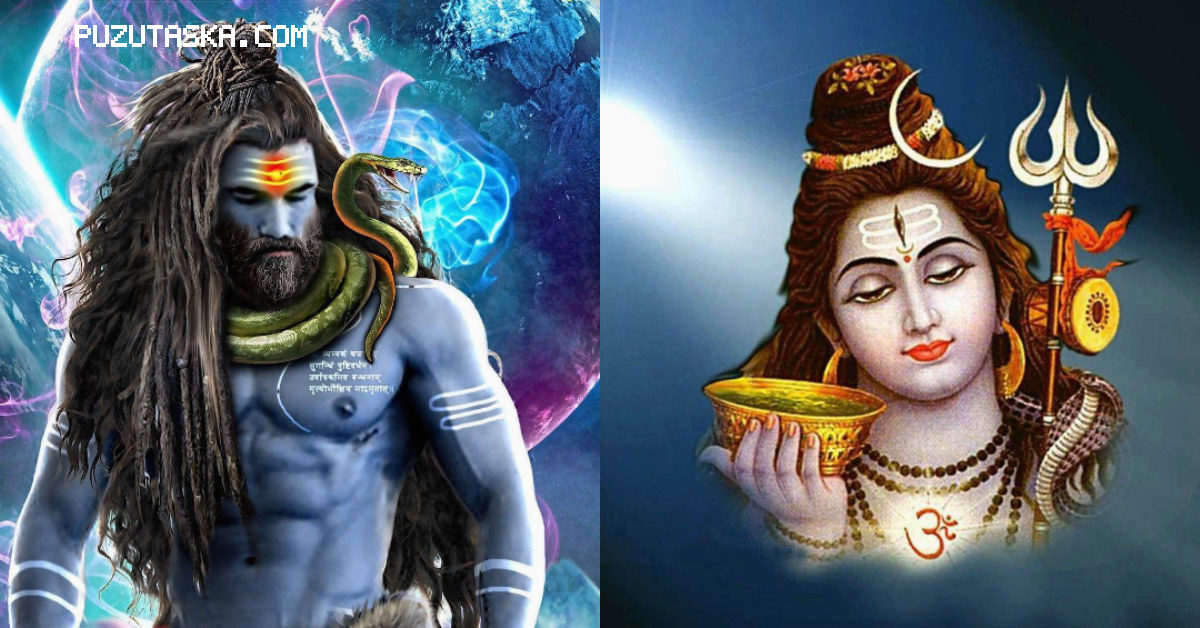
Many people assume that a Bholenath ka photo is just a decorative image of Lord Shiva. In reality, it carries deep spiritual meaning and has become a significant part of modern digital devotion. This article unpacks the symbolism, the legal and ethical angles, and how to engage with these images respectfully.
Copyright and Cultural Sensitivity in Sharing Sacred Images
Sharing a Bholenath ka photo online might seem harmless, but it raises real legal and ethical questions. Most temple photographs, such as those of Mahakaleshwar in Ujjain or Kashi Vishwanath in Varanasi, are protected by copyright. Reproducing them without permission can violate the photographer’s rights.
Beyond law, there is cultural sensitivity. Many devotees believe that a photo of Shiva carries his presence, so treating it carelessly—like cropping or altering it—can be seen as disrespectful. In 2024, some AI-generated images sparked debates about authenticity and reverence. The more thoughtful approach is to use images from official temple sources or those explicitly marked for free use.
For personal use, like a wallpaper or WhatsApp status, the risk is minimal. But for commercial purposes, you need proper licensing. Always check the source and respect the cultural context.
Comparing Traditional Iconography with Modern AI Creations
Traditional Bholenath ka photo follows strict iconographic rules. Shiva is shown with a trishul, damaru, crescent moon, third eye, and a snake around his neck. His matted hair often holds the Ganges, and he sits in meditation or dances as Nataraja. These elements are not random; each has a mythological meaning. Another piece worth your time is Ghost Raspberry Cream: The Flavor That Redefined Energy Drinks, which touches on a related question
Modern AI-generated images, however, often prioritize aesthetics over accuracy. They might show Shiva in cinematic landscapes or with exaggerated features. While visually stunning, they sometimes omit key symbols, which can dilute the spiritual message. For instance, the blue throat (Neelkanth) symbolizes Shiva consuming poison during the churning of the ocean—a detail some AI images miss.
Devotees often prefer traditional photos for worship, but many enjoy AI art for its beauty. The choice depends on intent. If you seek a photo for meditation, stick to traditional depictions. For sharing on social media, AI art can be engaging, but be aware of its limitations.
Practical Tips for Choosing and Using Bholenath Photos
When selecting a Bholenath ka photo, consider the purpose. For a wallpaper, high-resolution images work best. For a WhatsApp status, a simple, clear image is more effective. Many websites offer free downloads, but verify the license.
One practical tip is to look for images that include the full family—Shiva, Parvati, Ganesha, and Kartikeya—if you want a complete devotional picture. Another is to check the orientation; vertical images suit phone screens, while horizontal ones are better for desktop.
If you’re tech-savvy, you can create your own AI-generated Bholenath photo using tools like DALL-E or Midjourney. However, be mindful of the ethical concerns mentioned earlier. Always add a caption that acknowledges the divine nature, and avoid using images in a way that might offend. Public records covering this story are gathered in Download wallpaper 1128×1410 **Bholenath****ka****photo** Wallpaper Download Download wallpaper 1600×900 God Lord Shiva HD **Bholenath** Wallpaper Download wallpaper
Insights from Devotees and Digital Artists
To understand the trend, we spoke with Rajesh Sharma, a digital artist from Mumbai who creates devotional AI art. He notes that “the demand for Bholenath ka photo spikes during Maha Shivaratri, which falls in February or March.” He emphasizes that his goal is to blend tradition with modern aesthetics, but he always includes core symbols like the trishul and damaru.
Devotees like Sunita Devi, a school teacher in Delhi, share these photos daily. She says, “Viewing Shiva’s photo brings peace and removes obstacles.” This belief drives the viral nature of such images. However, she cautions against using them for trivial purposes.
Experts in religious studies point out that the trend reflects a broader shift toward digital spirituality. While some worry about commercialization, most see it as a positive way to keep faith alive in a tech-driven world.
Frequently Asked Questions
How can I find a high-quality Bholenath ka photo for my phone wallpaper?
You can search on wallpaper websites or use apps like Pinterest. Look for images with at least 1080p resolution. Many sites offer free downloads, but check the license for commercial use.
Is it free to use Bholenath ka photo from the internet?
It depends on the source. Some sites offer free images under Creative Commons, while others require payment. Always read the terms. For personal use, most free images are fine, but for business, you need proper licensing.
Is it disrespectful to edit or add filters to a Bholenath ka photo?
Many devotees consider it disrespectful to alter sacred images. If you must edit, do so minimally and with reverence. Avoid adding humorous or trivial elements. When in doubt, use the original.
Who is Bholenath in Hindu mythology?
Bholenath is an epithet for Lord Shiva, meaning the innocent or simple-hearted lord. He is part of the Trimurti, along with Brahma and Vishnu, and is known as the destroyer. His abode is Mount Kailash, and his consort is Parvati.
What is the significance of the blue throat in Bholenath photos?
The blue throat, or Neelkanth, symbolizes Shiva drinking the poison that emerged during the churning of the ocean. To protect the universe, he swallowed it, and his throat turned blue. This act shows his selflessness and is a key story in Hindu mythology.
