
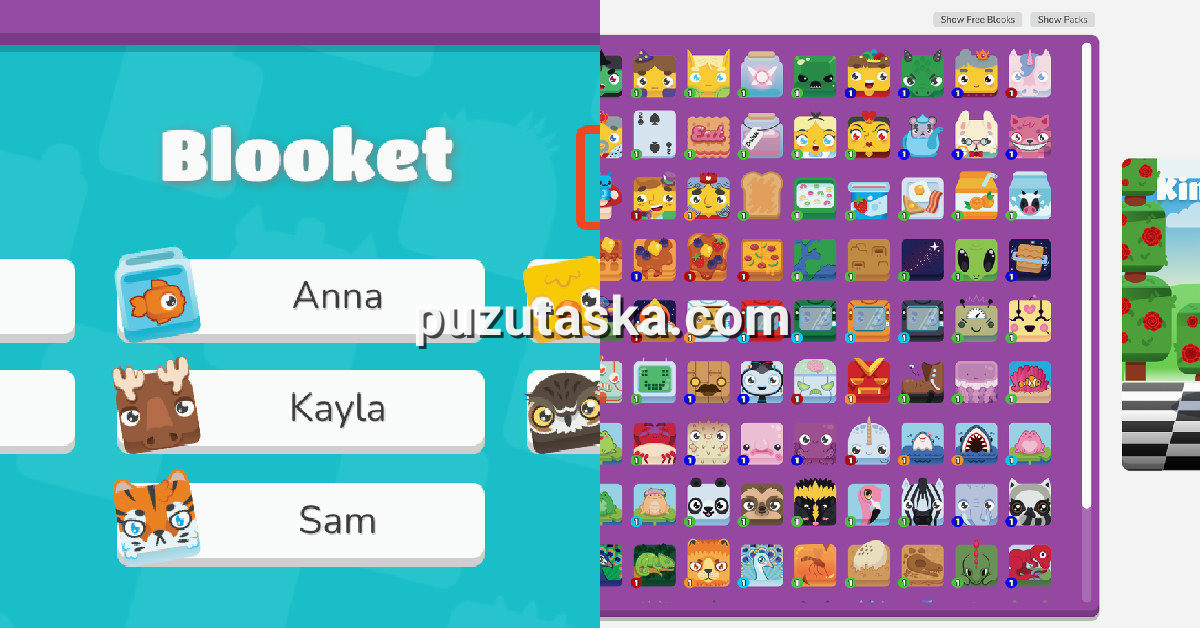
Blooket turns quizzes into games. Launched in 2018 by American brothers Tom and Ben Stewart, it lets teachers create question sets that students play through modes like Gold Quest and Tower Defense. A companion read that pairs well with this one is Blooket Dashboard: A Teacher's Guide to the 2025 Hub
How Blooket Became a Classroom Staple During Remote Learning
The pandemic changed how teachers reach students. When schools shut down in 2020, many educators scrambled for tools that kept kids engaged from home. Blooket filled that gap.
Its timing was fortunate. The platform already supported live sessions and asynchronous homework, so it adapted quickly to hybrid schedules. Teachers could assign a game for the evening, and students would play it on their own time. That flexibility made it a go-to resource.
By 2021, Blooket had become a familiar name in K-12 circles. It wasn’t just about quizzes anymore; it was about maintaining a sense of play in a stressful year. The company kept updating the platform, adding seasonal events and fresh modes to hold attention.
One teacher told us, “It’s the only thing my students ask for by name.” That kind of word-of-mouth spread fast among educators.
Who Uses Blooket and Why It Resonates Across Regions
Blooket’s reach is global, but its strongest base is in North American schools. English, Spanish, and French versions make it accessible in many classrooms. Teachers from rural districts to urban charters use it for review sessions and test prep.
The appeal crosses age groups. Elementary teachers use it for math facts; high school teachers adapt it for vocabulary or history. Because students earn collectible Blooks, the reward system feels like a game, not a grade.
In some regions, Blooket has become a cultural touchstone. Students trade Blooks like digital trading cards, and online communities share strategies for rare drops. That social layer keeps kids coming back even when the quiz is over.
We’ve seen it work in our own classrooms. The competitive energy is real, but it’s friendly. That’s a rare balance in educational software.
Practical Tips for Getting the Most Out of Blooket Today
Start with the free version. It includes core modes and a decent set of Blooks. If you need more, the Plus subscription adds advanced reports and extra game options.
Import existing sets from Quizlet to save time. That feature alone can cut prep work in half. Then customize the questions to match your curriculum.
Use live modes for whole-class review and homework modes for independent practice. Mixing them keeps students on their toes. For example, run a Gold Quest session on Monday, then assign a Tower Defense game for Tuesday night.
Monitor student progress through the dashboard. It shows which questions trip them up, so you can adjust your teaching. The data is more useful than a simple score. Public records covering this story are gathered in Blooket – Fun, Free, Educational Games for Everyone
One caution: don’t overuse it. Like any tool, Blooket works best in moderation. Save it for review days or special events, not every lesson.
Inside Blooket: The Minds Behind the Platform and Its Evolution
Tom and Ben Stewart built Blooket from a simple idea: make learning feel like play. They started coding in 2018, and the platform grew organically from there.
Blooket LLC now runs the operation. The brothers remain involved, though they keep a low profile. Their focus has been on steady updates rather than flashy marketing.
New game modes appear regularly. Monster Brawl, for instance, pits students against each other in a monster battle that tests their knowledge. Each mode has a different mechanic, so the platform never feels stale.
The Blook collection is a key driver. Rare Blooks are hard to get, which fuels engagement. Some players spend hours trying to unlock a specific character.
As of 2024–2025, Blooket continues to evolve. The team listens to teacher feedback and rolls out improvements. That responsiveness explains why it remains a favorite.
| Feature | Free Version | Plus Subscription |
|---|---|---|
| Game modes | Core set | All modes |
| Question sets | Unlimited | Unlimited |
| Homework mode | Limited | Full access |
| Reports | Basic | Detailed |
Frequently Asked Questions
How much does Blooket cost?
Blooket offers a free tier with core features. The Plus plan costs a monthly or yearly fee, which unlocks extra game modes, advanced reports, and more Blooks. Schools can also purchase licenses for multiple teachers.
What is Blooket used for?
Teachers use Blooket to create interactive quizzes that students play as games. It’s designed for review, test prep, and formative assessment. The platform turns traditional question-and-answer sessions into competitive activities that boost engagement.
Where was Blooket created?
Blooket was developed in the United States by brothers Tom and Ben Stewart. They launched the platform in 2018, and it quickly gained traction in American schools before spreading internationally.
Who are the founders of Blooket?
Tom and Ben Stewart are the co-founders. They started Blooket as a side project and grew it into a full-time business. The brothers continue to lead the company, though they rarely give interviews.
What is a good alternative to Blooket?
Quizizz is a popular alternative, offering similar game-based quizzes with a focus on self-paced learning. Kahoot! is another option, known for its live multiplayer mode. Each has its own strengths, so the best choice depends on your teaching style.
