
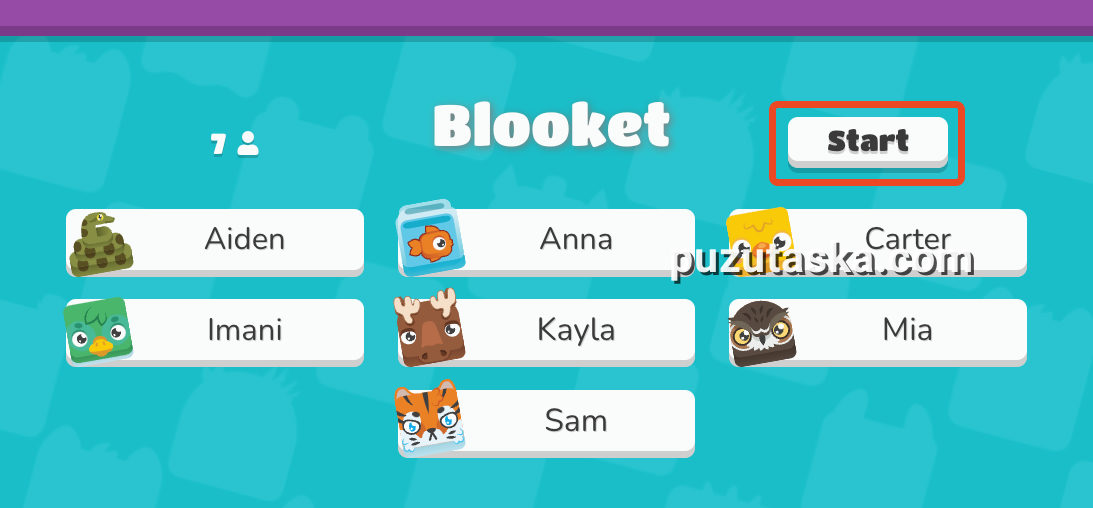
Think of the last time you sat through a slide-based review session. Now imagine that same content wrapped in a tower-defense game or a gold-rush race. That is the core pitch of Blooket.com, a platform that turns quiz questions into competitive multiplayer games. Unlike Kahoot’s rapid-fire format, Blooket lets teachers pick from a dozen different game modes, each with its own rules and win conditions.
What Blooket.com Is Not: Clearing Up the Most Common Misconceptions
Many first-time visitors assume Blooket is just another quiz tool with a mascot. The mascot—a round, blob-like creature called a Blook—does get the attention, but the mechanics run deeper. Blooket is not a content library; it is a game engine that uses question sets you either build or import. You can pull sets from a public database, but the real value comes from customizing your own.
Another misconception: Blooket is only for elementary school. In practice, high school and even college instructors use it for test prep and vocabulary drills. The platform’s settings let you adjust game speed, question order, and even the number of lives per player, which makes it adaptable across age groups.
People also confuse Blooket with a study app. It is not designed for solo cramming. The games are meant to be played live, with a host controlling the pace. There is a solo mode, but it lacks the social pressure that makes the live games engaging.
Finally, some assume Blooket is free forever. The free tier exists, but it limits you to a certain number of game modes and question sets. The paid plans unlock the full roster of modes and add reporting features. That distinction matters if you plan to use it weekly.
Who Gets the Most Out of Blooket.com—and Who Should Skip It
Teachers in K-12 classrooms are the primary audience. The platform’s design assumes a single instructor managing a room of students, each on their own device. If you teach in a low-tech school where students share devices, the experience gets clunky. Each player needs a screen, and the games are less fun when you are passing a tablet back and forth.
Homeschooling parents also benefit, especially those with multiple children. The competitive element works well with siblings, and the question sets can be tailored to each child’s level. The downside: you have to create or curate the content yourself. There is no built-in curriculum, so you are on the hook for the academic side. If you want to go deeper, Glossywise Com: What We Know About This Unverified Domain covers an adjacent angle worth reading
Corporate trainers and tutors have started using Blooket for icebreakers and knowledge checks. The game modes are lighthearted, which helps in settings where adults are wary of looking foolish. But the platform lacks the analytics that a serious training program needs. You get basic performance data, not deep insights.
Who should skip it? Anyone looking for a comprehensive learning management system. Blooket does not grade assignments, track long-term progress, or integrate with major LMS platforms. It is a supplement, not a backbone. If you need those features, stick with your existing tools and use Blooket as a reward or warm-up activity.
Why Blooket.com Has Become a Staple in Modern Classrooms
The cultural footprint is hard to miss. Search any education forum, and you will find threads of teachers swapping Blooket question sets like trading cards. The platform’s popularity spiked during the remote-learning era, when teachers needed something more engaging than a static video call. Blooket filled that gap with games that students actually asked to play. Public records covering this story are gathered in Blooket – Fun, Free, Educational Games for Everyone
Part of the appeal is the variety. With modes like Tower Defense, Gold Quest, and Café, the same question set can feel fresh multiple times. Students who groan at a standard quiz will happily play the same questions in a new format. That replayability is a big reason why Blooket has stuck around while other edu-games faded.
The community aspect also matters. Teachers share sets publicly, and the best ones get thousands of plays. This crowdsourced library means you rarely start from scratch. You can search for a topic and find a set made by someone else, then tweak it to fit your class. It is a practical example of teachers helping teachers, and it keeps the platform alive.
There is a downside to that popularity, though. The public sets vary wildly in quality. Some are riddled with errors or outdated information. You cannot blindly trust a set just because it has a high play count. The more useful approach is to review the questions before you launch the game, which takes time but saves you from mid-game corrections.
How to Get Started with Blooket.com: A Step-by-Step Walkthrough
Getting started is straightforward. First, create a free account at Blooket.com. You can sign up with Google or an email address. Once you are in, the dashboard gives you three main options: create a question set, find a set, or host a live game.
To build a set, click “Create” and enter your questions. You can add up to 12 answer choices per question, though four is the practical sweet spot. The interface is simple, but it lacks a bulk-import feature on the free tier. If you have a large question bank, you will be typing for a while.
Hosting a game is where the magic happens. Pick a set, choose a game mode, and set the time limit. The platform generates a six-digit code that students enter at play.blooket.com. They do not need accounts, which removes a major barrier. You control when the game starts and ends, and you can kick players who are causing trouble.
One tip: start with a simple mode like Gold Quest for younger students. The rules are easy to grasp, and the random stealing mechanic keeps everyone engaged. For older students, Tower Defense adds a strategic layer that rewards careful answering. You can also assign homework games, where students play solo at their own pace, and the results land in your reports.
After the game, the reports tab shows you each student’s accuracy and speed. That data is useful for spotting who needs extra help, but it is not granular enough for formal grading. Use it as a formative check, not a summative assessment.
Frequently Asked Questions
Where is Blooket.com based?
Blooket is a product of Blooket LLC, a company headquartered in the United States. The exact city is not widely publicized, but the platform operates primarily in English and follows US data privacy norms, which matters for schools evaluating compliance.
What is Blooket.com best known for?
Blooket is best known for its wide array of game modes that turn quiz questions into competitive activities. The Tower Defense and Gold Quest modes are particularly popular, and the platform’s mascot, a customizable Blook, has become a recognizable symbol in classrooms.
Is Blooket.com still active in 2025?
Yes, Blooket remains active and regularly updates its features. The platform continues to add new game modes and quality-of-life improvements, and its community of teachers keeps the question-set library growing. It is not a dead product; it is still a go-to tool for many educators.
When did Blooket.com launch?
Blooket launched in 2019, during a period when educational technology was rapidly expanding. It gained significant traction in 2020 as schools shifted to remote learning, and its user base has grown steadily since then.
Who is Blooket.com designed for?
Blooket is designed primarily for teachers and students in K-12 settings, but it is also used by tutors, homeschool parents, and even corporate trainers. The platform’s flexibility makes it suitable for any group that wants to review knowledge in a fun, game-based format.
