
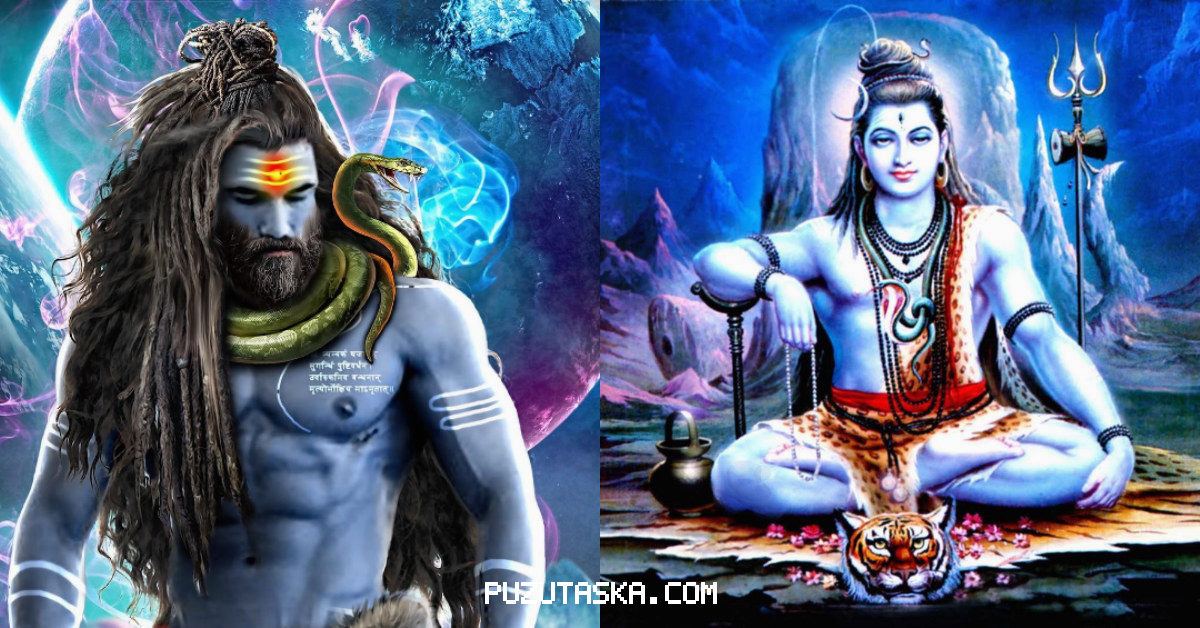
Think of a deity image that appears on millions of phone screens each year. Most religious icons have a canonical depiction, but bholenath ki photo is different. There is no single authentic portrait; instead, a fluid visual tradition spans temples, artists, and now AI generators.
This article examines the strengths and weaknesses of that tradition, its cultural roots, and where it is heading.
Strengths and Weaknesses of the Visual Tradition
The strength of bholenath ki photo lies in its flexibility. Devotees can find an image that matches their personal devotion, from a serene meditating Shiva to a fierce Nataraja. This adaptability keeps the imagery relevant across generations and regions.
Yet that same flexibility creates a weakness: authenticity becomes subjective. A photo of a statue from Kashi Vishwanath temple carries different weight than an AI-generated fantasy. Some purists argue that artistic liberties dilute the sacred meaning, while others welcome creative expression. The weaker claim here is that only traditional depictions are valid; the more useful approach is to recognize that devotion, not artistic accuracy, drives the sharing. If you want to go deeper, Ghost Raspberry Cream: The Flavor That Redefined Energy Drinks covers an adjacent angle worth reading
Consider the viral AI-generated images that circulated before Maha Shivratri 2025. They showed Shiva with neon trishuls and cosmic backgrounds. Traditionalists criticized them, but millions shared them. That tension between reverence and innovation defines the current landscape.
Cultural Roots That Shape Today’s Imagery
The roots of Shiva imagery run deep in Hindu iconography. The trishul, damru, matted hair, and snake are not random; each symbol carries theological meaning. The damru represents the cosmic sound, the snake signifies control over fear, and the matted hair shows renunciation.
These symbols appear consistently across bholenath ki photo, whether painted in a temple or rendered in pixels. The name Bholenath itself, meaning the innocent or simple-hearted lord, shapes the emotional tone of many images. Devotees often caption them with “Har Har Mahadev,” a chant that reinforces the connection between the visual and the verbal.
Regional variations add another layer. In North India, Shiva is often depicted with a more austere look, while South Indian traditions emphasize the dancing form. These differences are not contradictions; they are expressions of a shared deity through local lenses. bhaktiphotos.com/bholenath-images” rel=”noopener noreferrer” target=”_blank”>100 Best Bholenath Images | Baba Bholenath Photos
Insider Perspectives on Digital Devotion
To understand the phenomenon, we spoke with a temple priest at Somnath who wished to remain anonymous. He noted that the surge in online sharing spikes during festivals, especially Maha Shivratri. “People want to carry the divine with them,” he said. “A photo on a phone is the modern equivalent of a small shrine at home.”
He also observed a practical benefit: digital images allow devotees who cannot visit temples to feel connected. The priest cautioned, however, that the physical act of worship—offering water, milk, or bilva leaves—remains irreplaceable. A photo can inspire, but it cannot substitute for ritual.
This insider view aligns with broader trends. The phrase “bholenath ki photo” is often used colloquially to ask someone for a Shiva image, reflecting how deeply the visual has integrated into daily conversation. The priest’s perspective reminds us that the digital and the devotional are not opposed; they coexist.
Current Status and What Comes Next
As of early 2025, the trend shows no sign of slowing. Social media platforms are flooded with Shiva images, especially around festival dates. The rise of AI-generated art has introduced a new layer, with some creators producing hyper-realistic or stylized renditions that go viral.
What comes next is likely a continued blending of tradition and technology. We may see more interactive formats, such as augmented reality filters that let users place a Shiva image in their own space. Some temples are already experimenting with digital darshan, where devotees can view the deity remotely.
Yet the core need remains constant: a visual anchor for devotion. Whether that anchor is a centuries-old painting or a freshly generated pixel, the intent is the same. The challenge will be maintaining reverence while embracing innovation.
Frequently Asked Questions
When did the term “bholenath ki photo” become popular online?
The term gained significant traction with the rise of WhatsApp and social media in the mid-2010s, but its usage spiked dramatically during Maha Shivratri 2025, when millions shared images and statuses. The exact origin is unclear, but the pattern is consistent with festival-driven digital behavior.
What is a good alternative to searching for “bholenath ki photo”?
If you want a more specific image, try searching for “Lord Shiva wallpaper,” “Shiva statue photo,” or “Mahadev HD image.” These terms often yield higher-quality results from dedicated devotional sites. For artistic renditions, “Shiva digital art” or “Shiva AI art” can produce unique visuals.
Who is Bholenath in Hindu mythology?
Bholenath is a name for Lord Shiva, one of the principal deities in Hinduism. The name translates to “innocent or simple-hearted lord,” reflecting his approachable and forgiving nature. He is part of the Trimurti, along with Brahma and Vishnu, and is known as the destroyer and transformer.
Is it true that some bholenath ki photo images are considered more auspicious than others?
Yes, but this is a matter of tradition rather than scripture. Images from major temples like Kashi Vishwanath or Somnath are often considered especially blessed. Some devotees believe that a photo that has been consecrated or blessed by a priest carries more spiritual weight, though this is not a universal belief.
Why did AI-generated bholenath ki photo images go viral recently?
AI-generated images went viral because they offer a fresh, visually striking take on a familiar subject. The novelty of seeing Shiva in a cosmic or futuristic style captures attention on social media. However, this trend also sparked debate about authenticity and respect, with some traditionalists objecting to the liberties taken.
