
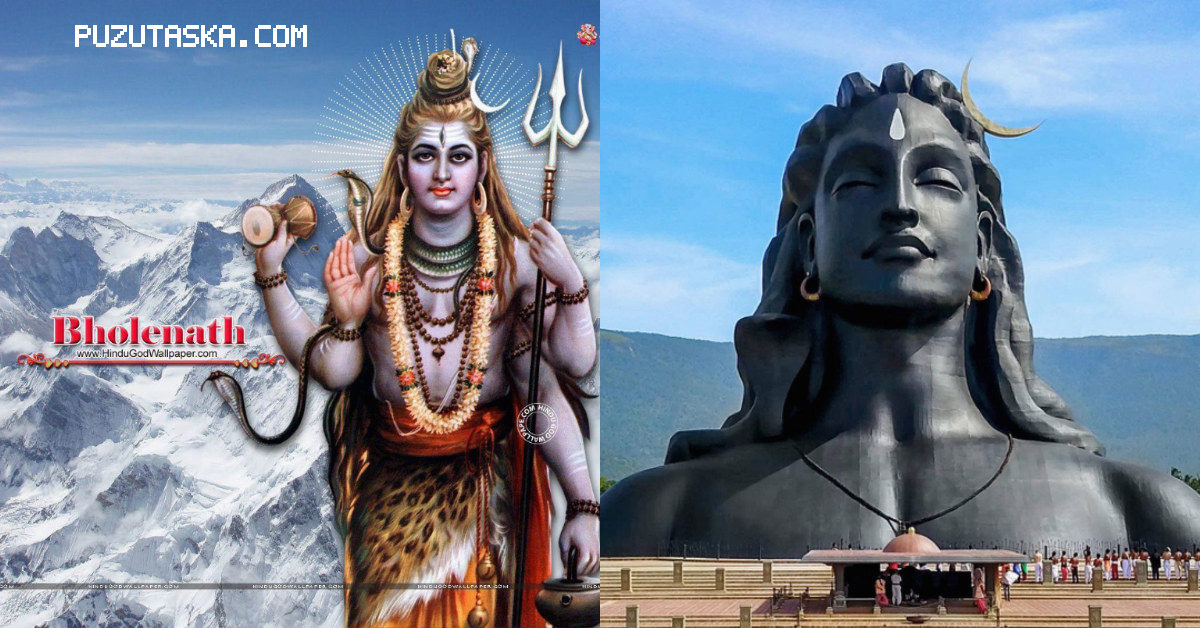
Bholenath is a Hindi name for Lord Shiva, meaning the innocent or simple-hearted lord. Devotees across India and the diaspora seek out Bholenath photos for their home altars, especially during Maha Shivaratri, which fell on February 26 in 2025 and will next be observed on February 15, 2026. These images typically show Shiva with a trident, a damaru drum, a crescent moon in his matted hair, and a third eye.
How Bholenath Photos Are Used Across Regions and Communities
In northern India, particularly in states like Uttar Pradesh and Uttarakhand, Bholenath photos are a staple in household puja rooms. During the holy month of Shravan, which runs from July to August, devotees share these images daily on WhatsApp statuses and social media. The practice is less uniform in southern states, where temple murals and bronze idols often take precedence over printed photos.
Among the Indian diaspora in the United States, Canada, and the United Kingdom, Bholenath photos serve as a tangible connection to home. Community temples in cities like Houston and London distribute printed copies during festivals. The images also appear in digital form, used as profile pictures on Facebook and Instagram, particularly around Maha Shivaratri.
One notable trend emerged in 2024 and 2025: AI-generated Bholenath photos began circulating widely. These computer-created images often depict Shiva in hyper-realistic or stylized forms, sometimes blending traditional iconography with modern aesthetics. While some devotees embrace these new visuals, others prefer traditional representations, arguing that the sacred symbolism should remain unchanged. On a related note, Ghost Raspberry Cream: The Flavor That Redefined Energy Drinks adds helpful background
Where Devotees Find Authentic Bholenath Photos
Several official temple websites publish blessed Bholenath photographs for devotees to download. The Kashi Vishwanath Temple in Varanasi, for instance, offers high-resolution images on its official site. These photos are considered especially auspicious because they are taken from the actual deity’s sanctum.
Dedicated Hindu religious websites and mobile apps also provide free downloads. One popular resource is Bhakti Photos, which curates a large collection of Bholenath images in various styles. The site categorizes photos by occasion, such as Maha Shivaratri, Shravan Mondays, and daily worship. Users can download images in multiple resolutions, suitable for phone wallpapers or printing.
Social media platforms have become informal repositories as well. Instagram hashtags like #BholenathPhoto and #ShivaWallpaper aggregate thousands of posts. However, the quality and authenticity vary widely. Some accounts repost images without attribution, and a few even alter traditional iconography, which can mislead viewers unfamiliar with the correct symbolism.
For those seeking a more personal touch, local print shops in Indian cities often sell laminated Bholenath photos in various sizes. These range from small 4×6 inch prints for car dashboards to large 20×30 inch posters for temple halls. Prices vary, but the demand remains steady throughout the year, with a noticeable spike before major festivals.
What Temple Priests and Devotees Say About the Images
Pandit Ramesh Shastri, a priest at a Shiva temple in Pune, explains that the photo itself is not the object of worship but a focal point for concentration. “The image helps the mind settle,” he says. “When you look at the third eye or the Ganges flowing from the hair, you are reminded of Shiva’s qualities.” He notes that the Ganges river depicted in many Bholenath photos symbolizes purity and the removal of sins. bhaktiphotos.com/bholenath-images” rel=”noopener noreferrer” target=”_blank”>100 Best Bholenath Images | Baba Bholenath Photos
Devotees often describe a personal connection to specific images. A woman in Delhi, who asked to remain anonymous, says she has used the same Bholenath photo for over a decade. “It was given to me by my mother when I got married,” she shares. “Every morning, I light a lamp in front of it. The photo has witnessed my joys and sorrows.”
Some experts in religious studies caution against over-commercialization. Dr. Meera Nair, a professor of Hindu studies at a university in Bangalore, observes that the proliferation of AI-generated images may dilute the traditional iconography. “The trident, the damaru, the crescent moon—each has a specific meaning,” she says. “When these are altered for aesthetic appeal, the spiritual message can get lost.” Her view is not universally shared, but it highlights a growing debate within the community.
Who Benefits From the Bholenath Photo Trend and Who Might Not
The primary beneficiaries are the devotees themselves. Having a Bholenath photo at home provides a daily reminder of faith, especially for those who cannot visit temples regularly. For elderly individuals with limited mobility, a simple photo can be a source of comfort and a focus for meditation.
Religious websites and app developers also gain from the trend. By offering free downloads, they attract traffic and build user bases, which can be monetized through ads or donations. Some sites also sell framed prints and calendars, creating a modest revenue stream.
However, there are potential downsides. The spread of AI-generated images, while visually striking, may lead to a homogenization of Shiva’s depiction. Traditional artists who painstakingly create original paintings or sculptures may find their work overshadowed by free digital copies. Moreover, the ease of downloading images can sometimes lead to disrespectful use, such as cropping or editing the deity’s face for memes, which many devotees find offensive.
For the broader Hindu community, the trend reinforces a sense of shared identity. During festivals, the exchange of Bholenath photos on social media creates a virtual community of worshippers. Yet, it also raises questions about the commodification of sacred imagery. The balance between accessibility and reverence remains a delicate one.
| Aspect | Traditional Bholenath Photo | AI-Generated Bholenath Photo |
|---|---|---|
| Origin | Hand-painted or photographed from temples | Created by computer algorithms |
| Iconography | Strict adherence to scriptural descriptions | May vary or blend styles |
| Availability | Limited to temple sites and religious stores | Widely shared on social media |
| Devotional Value | Considered highly auspicious | Varies; some find it less authentic |
Frequently Asked Questions
Is it true that some Bholenath photos are considered more powerful than others?
Yes, but this is a matter of belief rather than fact. Photos taken from the sanctum of a major temple, like Kashi Vishwanath, are often regarded as especially blessed. However, priests emphasize that the devotee’s faith matters more than the image’s origin.
Where can I find high-resolution Bholenath photos for free?
Several official temple websites and dedicated religious platforms offer free downloads. For example, the Kashi Vishwanath Temple site provides images, and Bhakti Photos has a large collection. Always check the source to ensure the image is authentic and respectfully depicted.
Why do Bholenath photos often show the Ganges flowing from Shiva’s hair?
According to Hindu mythology, the Ganges descended from heaven and was caught in Shiva’s matted locks to break her fall. This imagery symbolizes purity and the lord’s role as a protector. It is one of the most recognizable elements in Bholenath photos.
Is it appropriate to use a Bholenath photo as a social media profile picture?
Many devotees do so, especially during festivals, and it is generally accepted. However, it is important to avoid cropping or editing the image in ways that might be seen as disrespectful. Using a complete, unaltered photo is the safest approach.
What impact has the AI-generated Bholenath photo trend had on traditional artists?
The trend has created competition for traditional painters and sculptors, as free digital images can overshadow their work. Some artists have adapted by offering unique, handcrafted pieces that cannot be replicated digitally. The long-term effect on the art form remains to be seen.
