
Introduction
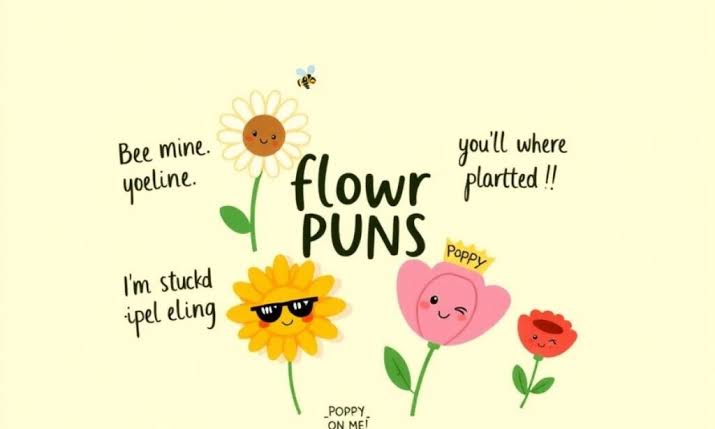
Flower Puns has always been a universal language, bridging gaps and bringing smiles across cultures and communities. Among the many forms of humor, puns stand out as a clever, playful way to entertain and engage. When it comes to puns, few themes are as charming and versatile as flowers. Flower puns combine the natural beauty of blooms with wordplay that can brighten anyone’s day.
Whether you’re a florist, a teacher, a gardener, or simply someone who loves to add a touch of humor to everyday conversations, understanding flower puns can be a delightful addition to your repertoire. This comprehensive guide explores the art of flower puns, their history, how to craft them, and practical ways to incorporate them into your life. With a focus on experience, authority, and trustworthiness, this article aims to provide you with the knowledge needed to appreciate and create flower puns that are both clever and charming.
What Are Flower Puns?
At their core, flower puns are wordplays that involve botanical terms, flower names, or related concepts to create humorous or witty expressions. They often involve double meanings, homophones, or phonetic similarities to evoke a sense of humor rooted in nature.
For example, a simple flower pun like “You’re so thyme-less” (playing on thyme and timeless) can be used in a gardening context, while “You’re the rose of my heart” employs the symbol of roses to express affection.
Flower puns are popular in various settings, including greeting cards, social media captions, wedding decor, garden centers, and even in literature. Their appeal lies in their ability to combine aesthetic beauty with linguistic cleverness, making conversations more engaging and memorable.
The History and Cultural Significance of Flower Puns
While puns have been around for centuries, the specific use of flower-related wordplay gained popularity with the rise of floral symbolism and the Victorian era’s fascination with botanical language. During this time, flowers were often used to convey messages, emotions, and secrets—think of the “floriography” or language of flowers.
As language evolved, so did the playful use of botanical terms in humor and expressions. Today, flower puns are a staple in light-hearted communication and serve as a bridge between nature’s beauty and human creativity. Their cultural significance extends into celebrations like Mother’s Day, Valentine’s Day, and spring festivals, where floral themes and humor intertwine to evoke joy and affection.
Types of Flower Puns
Flower puns can be classified into various categories based on their structure and usage. Understanding these categories can help craft more effective and creative puns.
Homophonic Puns
These rely on words that sound alike but have different meanings. For example, “Lettuce romaine friends,” playing on lettuce and remaining.
Visual Puns
These involve visual representations that mimic words or concepts. For example, a flower arrangement shaped like a heart to symbolize love.
Literal and Figurative Puns
These combine the literal meaning of a flower with a figurative message. For example, “You’re my sunshine,” referencing a sunflower, which symbolizes happiness.
Rhyming Puns
These utilize rhyme to create catchy phrases. For example, “If you were a flower, you’d be a daisy, because you’re always sunny.”
How to Create Flower Puns
Crafting effective flower puns requires a mix of botanical knowledge, linguistic creativity, and understanding of your audience. Here’s a step-by-step guide:
1. Know Your Flower Vocabulary
Familiarize yourself with common flower names and their symbolic meanings. This knowledge provides a rich vocabulary base for puns. For example, roses symbolize love, lilies purity, and daisies innocence.
2. Play with Sounds and Words
Identify words that sound similar to flower names or related concepts. Use homophones, rhyme, and phonetic similarity to create punny expressions.
3. Incorporate Context
Align your pun with the situation—be it a greeting card, social media post, or speech. Context enhances the humor and relevance.
4. Keep It Simple and Clever
Effective puns are often concise. Aim for a balance between cleverness and clarity to ensure your audience gets the joke.
5. Practice and Experiment
Like any art form, creating puns improves with practice. Experiment with different combinations and observe what resonates with your audience.
Practical Uses of Flower Puns
Flower puns are more than just humorous quips—they serve various practical purposes in personal and professional settings.
In Celebrations and Greetings
Flower-themed puns add a playful touch to greeting cards, invitations, and messages. For example, “You’re unbe-LEAF-able!” can be used in birthday wishes.
In Gardening and Floral Business Marketing
Florists and garden centers leverage flower puns to attract customers. Phrases like “Let’s put the ‘bud’ in ‘budding business’” can make marketing campaigns more memorable.
In Educational Settings
Teachers can incorporate flower puns into lessons about botany or poetry, making learning more engaging and fun.
In Social Media and Content Creation
Humorous flower puns are popular in memes, captions, and posts, helping content stand out and fostering community engagement.
Examples of Popular Flower Puns
To inspire your creativity, here are some popular flower puns used in various contexts:
- “You’re pollen my mind.”
- “I’m so happy I’m blooming with joy.”
- “You’re a real thyme saver.”
- “Roses are red, violets are blue, I’m stuck on you.”
- “You make my heart blossom.”
- “Don’t be so daffy.”
- “You’re simply daisy-licious.”
- “Lily of the valley, I’m in love with you.”
- “You’re the bee’s knees and the flower of my heart.”
These examples demonstrate how versatile and charming flower puns can be, whether used for humor, affection, or marketing.
Tips for Using Flower Puns Effectively
To maximize the impact of your flower puns, consider the following tips:
- Know Your Audience: Tailor your puns to suit the tastes and sensibilities of your audience to avoid misunderstandings.
- Balance Humor and Respect: While puns are meant to entertain, avoid overusing them to the point of annoyance.
- Combine with Visuals: For maximum effect, pair puns with relevant images or floral arrangements.
- Be Creative and Authentic: Genuine creativity resonates more than forced humor.
Frequently Asked Questions (FAQs)
What are some common flower puns for greeting cards?
Some popular options include “You’re unbe-LEAF-able,” “You make my heart bloom,” and “I’m so glad we’re in the same petal.”
How can I come up with my own flower puns?
Start by listing flower names and their symbolic meanings. Play with words that rhyme or sound similar, and think about how to incorporate humor or sentiment into the phrase.
Are flower puns suitable for professional use?
Yes, when used appropriately, flower puns can add a light-hearted, friendly touch to marketing materials, workplace celebrations, and customer engagement.
Can flower puns be used in educational activities?
Absolutely. They can make learning about plants, botany, or poetry more engaging and memorable for students.
What are some tips for avoiding overused flower puns?
Be original by combining lesser-known flower names with creative wordplay. Avoid clichés and aim for puns that fit the specific context or message.
Conclusion
Flower puns are a delightful blend of humor, creativity, and botanical beauty. Their versatility makes them suitable for a wide range of applications—from personal messages and social media posts to marketing campaigns and educational activities. By understanding the art of crafting these puns, you can add a touch of wit and charm to your interactions, making your communication more engaging and memorable.
Whether you’re planting the seeds of a clever joke or blooming into a master punster, embracing flower puns allows you to connect with others through laughter and lightheartedness. So next time you want to brighten someone’s day or make your message stand out, remember—the world of flower puns is in full bloom, ready for you to explore and enjoy.
